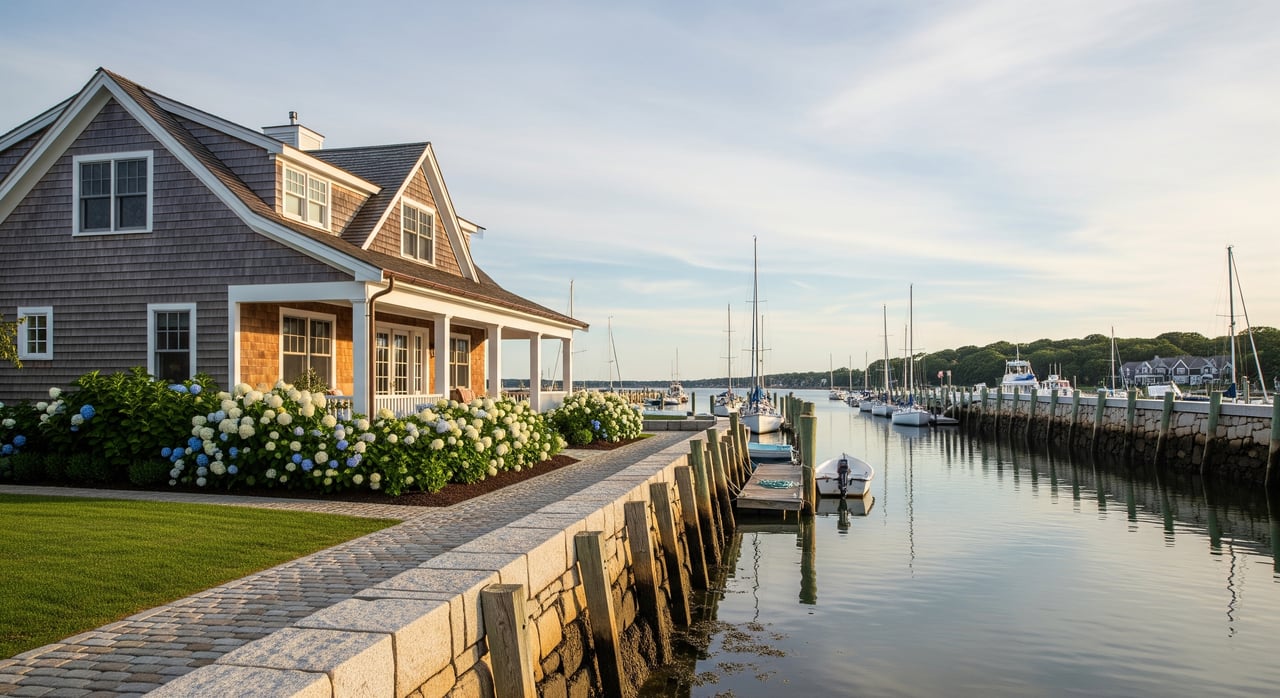
Have you ever wondered what it feels like to wake up to the sound of halyards tapping against masts and gulls skimming the tide? If you picture a classic New England harbor where you can walk to coffee, watch boats idle in their slips, and still catch a train to the city, Southport’s harbor village may be a fit. You want charm, but also practical details about daily life, maintenance, and commuting. This guide walks you through both the lifestyle and the logistics so you can decide with confidence. Let’s dive in.
Harbor village at a glance
Southport sits on Long Island Sound within the Town of Fairfield. The harbor and its neighboring streets form a compact, walkable core with historic homes, small shops, and marina activity. You will find narrow roads, mature trees, and a village streetscape that favors strolling over speed.
The waterfront is tidal, with docks, bulkheads, and small slips. Adjacent blocks feature older residential properties on modest lots rather than wide suburban parcels. It feels intimate and textured, with the harbor always a few steps away.
Historic architecture and character
If you admire 18th- and 19th-century New England homes, you will feel at home here. Many houses retain period details, wood siding, and original proportions. This character comes with practical considerations, including older mechanical systems and preservation guidelines.
Historic preservation shapes the look and feel of Southport. Some properties may sit within local historic districts or be subject to review for exterior changes. If you plan to renovate, you will want to understand what is allowed before you design and budget.
Walkability and daily rhythm
Life here works best when you lean into the village scale. You can often walk from a harbor-front street to a café, gallery, or a small storefront. Sidewalks and crossings serve the commercial area, though sidewalks can be narrower than you might expect. Off-street parking is limited in places, which encourages short, frequent errands.
For larger grocery runs, medical appointments, or big-box retail, you will likely drive to other parts of Fairfield or nearby towns. Many residents split their week between walking in the village and driving for regional errands.
Getting around and commuting
Southport connects to the region by rail and road. The New Haven Line on Metro-North serves Southport and nearby stations, giving you access to other Fairfield County towns and New York City. Service frequency and timing vary by schedule and route, so it helps to plan around peak hours.
If you drive, I‑95 and local arterials link the village to the wider area. A practical routine here often mixes commuter rail for city trips, driving for errands, and walking for daily village life. Train station parking and village street parking can influence your timing, so it is smart to test your commute and parking options at the hours you would use most.
Marina life and the waterfront
Boating is part of the culture. You will see private docks, moorings, and services that support recreational boats throughout the warm months. Mooring permits, slip availability, and harbor rules are typically managed through a local harbormaster or harbor office. If access to the water is a priority, it is wise to ask about mooring waitlists, slip sizes, and permit timelines early in your search.
When the weather warms, daily routines often align with tides and daylight. Residents plan early paddles, evening sails, or a quick walk along the waterfront after dinner. From late spring to early fall, the harbor is most active. In winter, it quiets down, though you will still see locals walking the shoreline.
Beaches, nature, and seasons
The coastline and nearby salt marshes offer walking, birding, and fishing. Seasonal changes shape life here. Summer brings visitors, waterfront dining, and a lively harbor. Fall shifts to a calmer pace with changing leaves and local events found across New England villages. Winter is slower and more intimate, with occasional storms that can impact the shoreline. Spring feels like a reset as migratory birds return and boats go back in the water.
Because this is a coastal, tidal setting, residents keep a closer eye on weather and high tide forecasts, especially during storm season. It becomes second nature to check conditions on days when the water runs high.
Everyday amenities and services
You will find small, independent dining spots, specialty shops, and local services in and near the village. For full-service groceries, large medical centers, and big-box retailers, you will drive a short distance within Fairfield or to nearby communities.
Schools and civic life
Southport is part of the Town of Fairfield’s public-school system. School assignments are address-dependent, so you will want to confirm the specific schools for any property you are considering. Village life also ties into town-level civic groups and volunteer organizations, including those focused on harbor management and conservation.
Health care and emergency services
Primary care, specialists, and emergency services are available in Fairfield County. Larger hospitals are a short drive from Southport, which makes scheduling and access straightforward once you learn the routes.
Real estate: what to expect
Housing options range from waterfront homes with dock access to historic village houses and smaller cottages on narrow lots. Inventory can be limited in the village, and demand is strong for harbor-front and walkable locations. This often leads to a more competitive market compared with broader town averages.
Renovation and maintenance
Older homes come with upkeep needs. Exterior maintenance, roofing, plaster, wood siding, and mechanical systems may require ongoing attention. If you are planning a renovation, build in time and budget for historic details and any required reviews.
Flood and insurance
Some properties in a tidal area can sit in flood-prone zones. Before you make an offer, review FEMA Flood Insurance Rate Maps, ask for elevation certificates if available, and learn the property’s storm and tidal history. Insurance costs vary by location, elevation, and mitigation measures. It is smart to get quotes for homeowner and flood insurance early so you understand long-term costs.
Zoning and permitting
Zoning rules define what you can build or add, including setbacks from the shoreline, accessory structures, and parking requirements. If you plan exterior work, confirm whether the property lies in a local historic district and whether changes require approval. Shoreline work, like bulkhead repairs or dock installation, often involves specific permits and reviews, so plan ahead.
Is Southport’s harbor village the right fit?
You will likely enjoy the village if you value a small, walkable coastal setting with visible maritime life and a sense of history. It suits buyers who want access to boating and the Sound, combined with regional connectivity by rail and road. If your priorities include urban nightlife, transit-dense city living, or large-lot privacy with major shopping within walking distance, you may find tradeoffs here.
A practical buyer checklist
Use this list to focus your due diligence during showings and inspections:
- Flood risk: Review FEMA maps, any elevation certificate, and recent storm or tidal flooding history for the property.
- Mooring and dock access: Ask the harbormaster about availability, waitlists, permitted sizes, fees, and rules for private or transient use.
- Historic considerations: Confirm if the home lies in a historic district and whether exterior changes need approval.
- Utilities and sewer: Verify sewer or septic, system age, and any planned municipal upgrades.
- Maintenance history: Request records for roofing, mechanicals, seawalls or bulkheads, and any coastal protection projects.
- Insurance: Obtain multiple quotes for homeowner and flood coverage to understand carrying costs.
- Commute logistics: Time a peak-hour trip by train and car; confirm parking options at the station.
- Local services: Confirm school assignments, and note the distance to supermarkets, medical care, and key town services.
- Community rules: Identify any HOA covenants, conservation easements, or harbor-association guidelines that may affect property use.
Daily life, up close
Picture a morning walk along the harbor as the tide turns. The sidewalks are lined with mature trees, and the light catches clapboard facades. You run a quick errand at a local shop, then drive a few minutes for a larger grocery run. In the evening, you watch the sky soften over the Sound while a few boats glide in. It feels unhurried and connected.
On weekends, you might time a paddle or a sail to the tide table, or take a short drive to a nearby beach. In fall, you enjoy village streets without summer crowds. In winter, you trade porch dinners for window views and bundled harbor walks. The village’s small scale makes each season feel close and tangible.
Making a confident move
If you are drawn to a historic coastal lifestyle with thoughtful access to the region, Southport’s harbor village offers a compelling blend of charm and practicality. The key is to balance the romance of the waterfront with clear-eyed planning about flood zones, insurance, historic review, and parking. With the right guidance, you can secure a home that fits your routines and your long-term goals.
When you are ready to explore, reach out for private guidance, curated tours, and a discreet path from first showing to closing. Connect with Libby McKinney Tritschler for a conversation about your goals and a tailored plan.
FAQs
What is the day-to-day lifestyle in Southport’s harbor village?
- Expect a walkable routine near the harbor, short drives for larger errands, visible boating culture in warmer months, and a calm, close-to-the-water pace year-round.
How does commuting from Southport work for New York City or Stamford?
- Many residents combine Metro-North’s New Haven Line with occasional driving; plan around schedules, test your peak-hour route, and confirm train station parking options.
Are there special considerations for buying a historic home in Southport?
- Yes, confirm historic-district status and any exterior review requirements, and budget for maintenance of older systems and period materials.
What should I know about flood zones and insurance near the harbor?
- Review FEMA maps and elevation data, ask about recent tidal or storm events, and request homeowner and flood insurance quotes early to understand costs.
How can I access a mooring or slip in Southport harbor?
- Contact the local harbormaster about mooring permits, waitlists, slip sizes, fees, and usage rules so you can plan water access as part of your purchase.
Where do residents go for groceries, health care, and larger retail?
- You will find small shops in the village and drive to other parts of Fairfield or nearby towns for full-service groceries, medical centers, and big-box retail.
