Torn between Weston and Westport? You are not alone. Both towns deliver the best of Fairfield County, but the daily rhythm feels very different once you live there. In this guide, you will compare housing, schools, commute, recreation, and ongoing costs so you can choose with confidence. Let’s dive in.
At a glance
Weston is smaller and quieter, while Westport is larger and more village oriented. According to recent community profiles, Weston’s population is about 10,354 and Westport’s is about 27,141, with median household incomes that are similarly high in both towns. You can review population and income details in the latest town equity profiles from DataHaven.
On transit, Westport has two Metro‑North stations with direct service to Grand Central. Weston has no in‑town station, so most commuters drive to Westport or nearby stops. If quick rail access shapes your day, that difference matters.
When it comes to lifestyle, Westport centers on a coastal downtown, beaches, and year‑round programming. Weston leans into wooded open space, preserves, and a small town center.
Housing and neighborhoods
Weston: Space, privacy, preserves
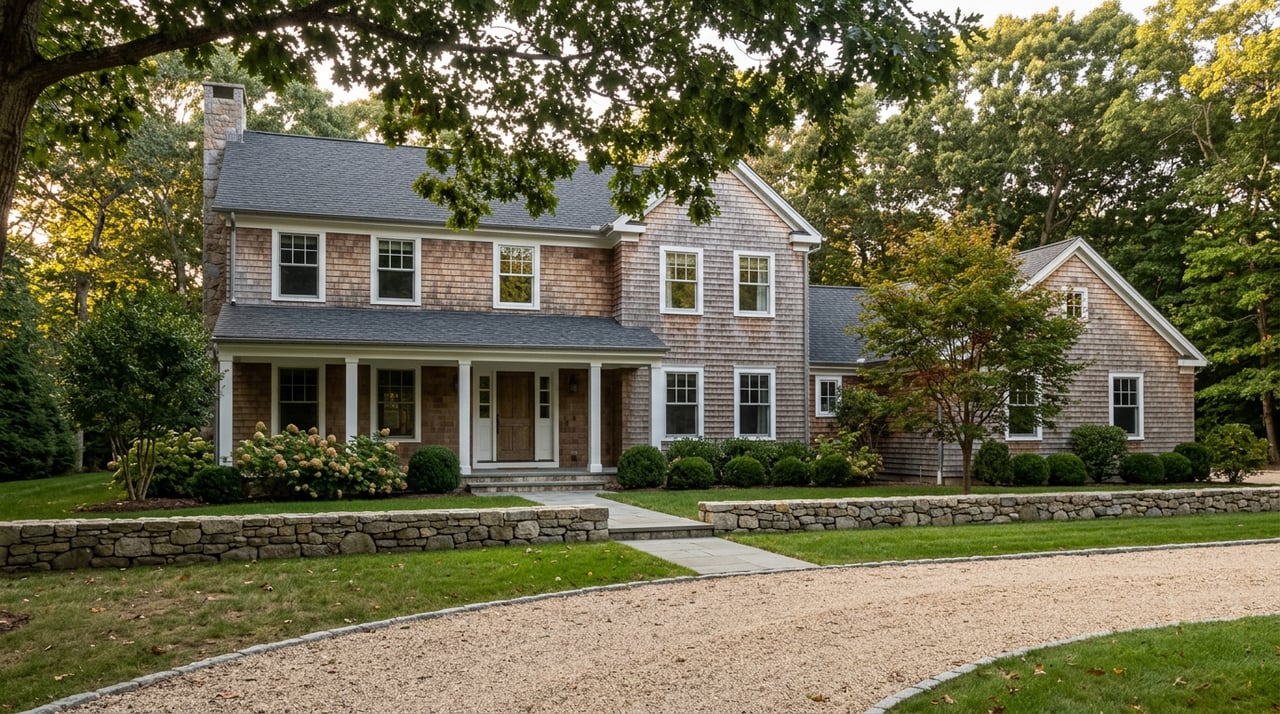
If you want acreage and a calm, wooded setting, Weston fits well. The housing stock is largely single‑family on larger lots, with a mix of classic and newer estate properties. Many streets back to protected land and trail systems, which adds a quiet, nature‑forward feel.
Because Weston is low density with fewer annual sales, price medians can swing month to month. When you get serious, pull recent closed sales for the exact neighborhoods you are considering to understand value and timing.
Westport: Coastal variety and convenience
Westport offers more variety by neighborhood and price segment. You will find condos and townhomes near downtown, established single‑family areas inland, and premium coastal homes around Compo, Saugatuck, and Greens Farms. Proximity to the beach, downtown, and trains often commands higher prices per square foot.
The town’s scale typically means more listings and faster turnover in certain areas. If you want a walkable lifestyle or a near‑train address, Westport tends to offer more options.
Town centers and daily life
Weston: Small‑scale, home centered
Weston’s center is intentionally modest. You have town services, the library, schools, a few shops, and seasonal farmers’ market activities. Most errands require a short drive, and evenings are quiet. If you prefer a restful, at‑home routine with easy access to trails, this will feel just right.
Westport: Coastal village energy
Westport is a classic Connecticut coastal town with a lively downtown and waterfront identity. Restaurants, shops, and arts programming cluster around Main Street and the Saugatuck/Compo area. Learn more about the town’s coastal character on the Westport overview. If you like to step out for coffee, dinner, concerts, or events, Westport puts it at your doorstep.
Schools overview
Both towns operate their own public K–12 districts. Weston is a smaller district with all four schools on a single campus, which many families appreciate for continuity and community. You can review program information and updates on the Weston High School site.
Westport is larger, with multiple elementary schools, two middle schools, and Staples High School. The district’s size supports broad academic and extracurricular offerings. Explore the current school list and links via Westport Public Schools. Always check district pages for the latest enrollment, programming, and transportation details.
Commute and transportation
Westport has two Metro‑North New Haven Line stations: Westport/Saugatuck and Greens Farms. Service types and schedules vary, but published train times to Grand Central typically fall in the 60 to 90 minute range depending on the train. For station details and to plan timing, see the Westport/Saugatuck station overview.
Weston does not have a train station. Most residents drive to Westport or other nearby stations, or commute via the Merritt Parkway or I‑95. Factor in your first‑mile drive time and station parking when you estimate door‑to‑door timing.
Recreation and outdoors
Weston: Trails, preserves, town farm
If you love the woods, Weston excels. The Devil’s Den / Lucius Pond Ordway Preserve anchors a vast trail network for hiking and wildlife viewing. You can preview guided‑hike programming in this local piece about Devil’s Den Preserve. Lachat Town Farm adds seasonal events and community agriculture.
Westport: Beaches, river, and arts
Westport’s coastline, river access, and parks shape daily life. Sherwood Island State Park and Compo Beach draw residents year‑round for walking, swimming, and sunsets. Get a feel for trails and facilities at Sherwood Island State Park. Downtown venues, library programs, and seasonal concerts round out a busy cultural calendar.
Costs and ownership basics
Property taxes depend on your home’s assessed value and the town’s mill rate, which change over time. Always check each town’s current assessor information when you are close to buying.
Ongoing costs differ by location and lot type. In Weston, larger parcels can mean more lawn, driveway, and tree work, plus maintenance for private systems where applicable. In Westport, coastal properties may require flood insurance, and some condo or association properties include monthly fees. A thorough review of utilities, insurance, and association budgets will help you compare apples to apples.
Zoning and lot patterns
Weston is widely described as a low‑density residential community, with many areas featuring larger minimum lot sizes. This pattern preserves the town’s wooded character and limits new supply. Westport includes a wider mix of residential districts, which allows for smaller lots near downtown and a modest inventory of multifamily and condo options.
For any purchase, confirm zoning, setbacks, coverage, and wetlands constraints with town departments before you finalize plans. If you expect to add a pool, expand, or redevelop, due diligence early in the process is essential.
Your decision checklist
Use this quick framework to align the town with your top priorities:
- Commute tolerance: If train access without a long drive is essential, Westport usually wins for in‑town stations and frequency. Verify schedules and parking before you choose.
- Lot and yard goals: If acreage, privacy, and direct access to preserves matter most, lean Weston. If you want beach access and a walkable village, lean Westport.
- Schools and programs: Compare Weston’s smaller K–12 campus district with Westport’s larger system and program scale. Check each district’s current offerings and transportation.
- Price and liquidity: Westport’s coastal and near‑downtown homes often carry a premium and move quickly. Weston offers more privacy but fewer direct comparables, which can widen price swings.
- Maintenance and insurance: Budget for yard and driveway care in Weston. In Westport, review flood zones and association fees where relevant.
Sample buyer snapshots
- Family A: You want two acres, trails out the door, and you can accept a 20 to 30 minute drive to the train. You will likely feel at home in Weston.
- Family B: You want a short hop to the station, an active downtown, and weekend beach time. You will likely feel at home in Westport.
Which town is right for you?
Both Weston and Westport deliver strong schools, access to nature, and a welcoming Fairfield County lifestyle. Your best choice comes down to how you live each day. If you picture quiet mornings on wooded acreage, start with Weston. If you want the coastline, downtown energy, and faster rail access, start with Westport.
When you are ready to tour neighborhoods and compare live data, connect with Libby McKinney Tritschler for a private, local consultation. Our team pairs deep roots with high‑touch service to guide you to the right address.
FAQs
What is the key lifestyle difference between Weston and Westport?
- Weston offers a quieter, wooded setting with a small town center, while Westport delivers a coastal village lifestyle with beaches, downtown dining, and year‑round events.
How do Weston and Westport commutes to NYC compare?
- Westport has two in‑town Metro‑North stations with typical published ride times of about 60 to 90 minutes depending on the train, while Weston residents usually drive to a nearby station before boarding. See the Westport/Saugatuck station overview for context.
How are the public schools organized in each town?
- Weston is a smaller K–12 campus district, and Westport is a larger system with multiple elementary schools, two middle schools, and Staples High School. Review current information on Weston Public Schools and Westport Public Schools.
Where will I find the best outdoor access in each town?
- Weston shines for large preserves and quiet trails, especially at Devil’s Den. Westport excels for beaches and waterfront parks like Sherwood Island. Preview Devil’s Den programming and Sherwood Island State Park.
How should I compare ongoing ownership costs?
- In Weston, budget for larger‑lot maintenance and potential private systems. In Westport, review flood insurance needs near the coast and any condo or association fees. Always confirm current taxes, utilities, and insurance with local providers.
Are home prices higher in Westport or Weston?
- Westport’s coastal and near‑downtown homes typically command higher prices at the top end, while Weston offers more acreage for the dollar. Because markets shift, request a fresh, neighborhood‑specific analysis before you decide.
