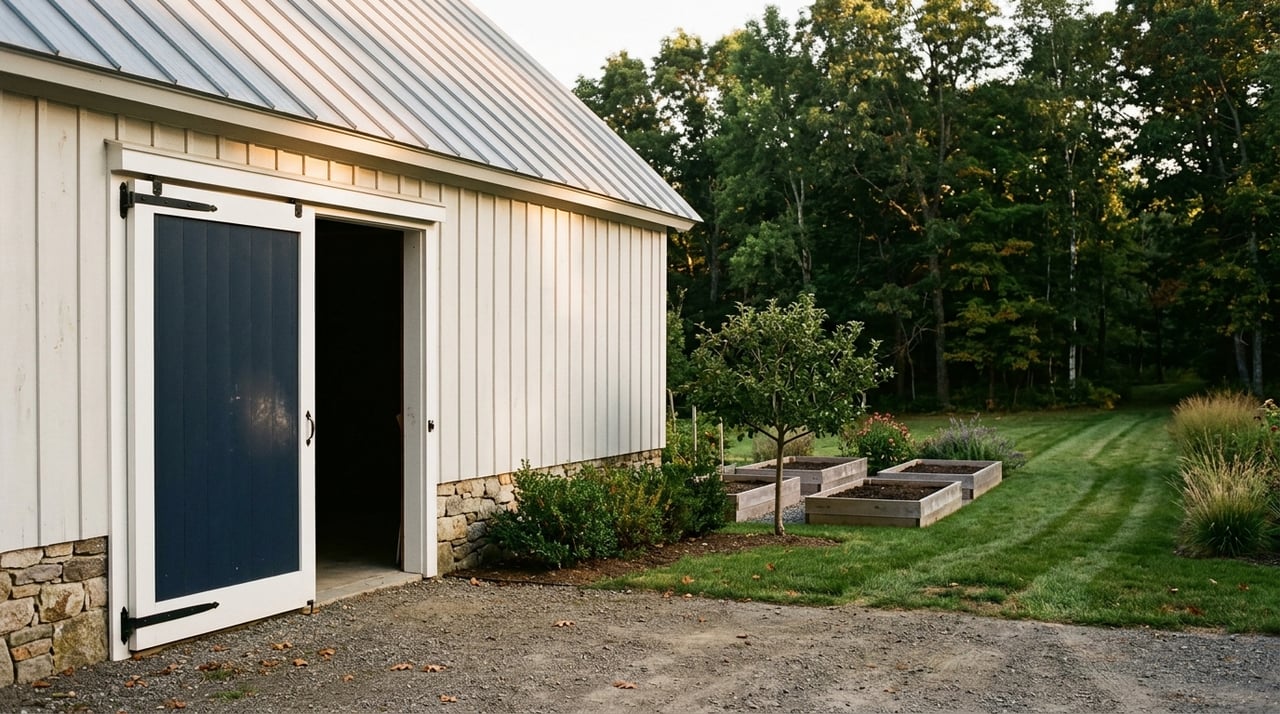
If you are selling an Easton home with land, the acreage is not just a number on the spec sheet. In a town known for protected open space, working farms, and a low-density rural character, buyers want to understand how the land lives day to day. When you showcase your property the right way, you can help buyers see privacy, function, and long-term value more clearly. Let’s dive in.
Why acreage matters in Easton
In Easton, land often tells as much of the story as the house itself. The town notes that it has more than twenty working farms, and more than one third of its land is forever preserved. Easton’s 2016 Open Space Plan also recorded 7,724 acres of protected open space, reflecting a strong local focus on conservation, natural resources, and outdoor enjoyment.
That context matters when you prepare your home for sale. Buyers are not only comparing bedroom counts or kitchen finishes. They are also looking at how your parcel fits into Easton’s broader landscape and whether the property offers privacy, stewardship, and usable outdoor living.
Easton’s zoning framework reinforces this point. Local regulations are designed to protect watersheds, conserve natural resources, and guide development in a way that remains compatible with the town’s established character. For sellers, that means acreage should be presented thoughtfully and accurately, with a clear picture of how the land functions.
Lead with usable land
A large parcel can be impressive, but buyers usually want more than the total acreage. They want to know what parts of the property they can actually enjoy and use. That is why your marketing should separate open lawn, gardens, trails, and recreation areas from wooded, wet, or steep portions of the lot.
This is especially important in Easton because zoning distinguishes buildable area from the broader lot. Local rules limit how much wetlands, watercourses, waterbodies, and steep slopes can count toward lot-area calculations. In simple terms, not every acre serves the same purpose, and buyers appreciate clarity.
When you present your property, think in terms of outdoor rooms. Show where someone might relax, garden, play, walk, store equipment, or move between the home and outbuildings. That helps buyers picture daily life on the property instead of trying to interpret a raw acreage number.
Show the land visually
Visual marketing is especially important when you are selling a home with acreage. Zillow’s 2024 buyer survey found that 70% of buyers said private outdoor space was very or extremely important. The same research found that 86% were more likely to view a home if the listing included a floor plan they liked, and 70% said 3D tours would help them get a better feel for a home than static photos.
For an Easton acreage property, the strongest presentation usually includes several layers of media. Wide exterior photography can show scale and setting. Aerial views can help buyers understand the parcel’s shape, driveway approach, and how the house sits on the land.
A floor plan or 3D tour adds another important piece. It helps buyers connect the home’s interior flow to the surrounding land, which is especially helpful when outdoor access, porches, patios, barns, or gardens are part of the lifestyle. Detail shots can then bring the story down to a human level, whether that means a stone wall, a paddock, a vegetable garden, or a quiet seating area.
Tell a lifestyle story, not just a size story
Acreage sells best when buyers can imagine using it. Instead of relying on broad phrases, focus on the property’s real daily benefits. A trail through the woods, a level lawn for recreation, a fenced garden area, or a functional barn creates a more vivid and useful picture.
In Easton, this approach fits the town’s conservation-minded identity. The best listing story often blends privacy, flexibility, and connection to the surrounding landscape. Buyers are often drawn to the feeling that the property offers both breathing room and practical outdoor living.
This is where careful wording matters. If a field is used for gardening, say so. If a barn is currently used as a workshop or storage space, describe it clearly and accurately. Honest descriptions build trust and reduce confusion later in the process.
Be precise about outbuildings and accessory uses
One of the most common mistakes in marketing homes with land is overstating what an outbuilding can be. A barn, detached structure, or studio space may feel full of possibility, but in Easton, permitted use matters. Before you describe a structure as a guest suite, future living area, or other residential use, you need to know what local rules and approvals allow.
Easton’s zoning regulations require conformity with applicable sections and a certificate of zoning compliance for new construction, alterations, or changes in use. That means a buyer should not be led to assume a detached building can be repurposed simply because it looks suitable. In many cases, safer terms like workshop, storage, flex space, or approved accessory use are the better choice unless permits and compliance are confirmed.
Local zoning also distinguishes between smaller and larger accessory structures. A minor accessory structure is generally capped at 200 square feet and cannot be on a permanent foundation, while larger accessory buildings are handled under separate standards. On larger parcels, Easton also allows certain added flexibility, including a caretaker cottage only on properties of at least 10 acres and detached accessory dwelling units subject to size, occupancy, and design standards.
Highlight agricultural features carefully
If your property has agricultural character, that can be a meaningful selling point in Easton. The town’s Right to Farm ordinance recognizes farming as part of Easton’s heritage, scenic vistas, open space, and local economy. It also states that agricultural operations consistent with accepted practices should not be treated as a nuisance solely because of their land-use impacts.
That does not mean every agricultural feature carries unlimited use rights. Zoning, building, health, and wetlands requirements still apply. Still, if your property includes fields, paddocks, barns, or other farm-related features, those elements can be presented as part of the town’s established identity rather than as unusual extras.
The key is to stay factual. Describe what exists and how it is currently used. If there is future potential, frame it as subject to zoning and approvals rather than as a guaranteed outcome.
Prepare for buyer due diligence
When a home sits on acreage, buyers usually look beyond finishes and square footage. They often ask practical questions about land use, utilities, and long-term maintenance. If you can answer those questions early, your listing will feel more credible and complete.
In Easton, private well and septic systems are often part of that conversation. Connecticut’s Department of Public Health advises that private wells are generally the owner’s responsibility, that local health departments have siting and approval authority, and that well water should be tested when buying a home. The state’s home-buyer septic guidance also recommends asking what the septic system consists of, whether it is working properly, and what replacement could cost if it fails.
For sellers, that means documentation can matter. If you have recent well or septic information, it can help support buyer confidence. Even when a system is functioning normally, buyers often feel more comfortable when the property’s key infrastructure is presented as clearly as the acreage itself.
Create a cleaner marketing package
A strong Easton acreage listing usually works best when the information is easy to scan and easy to trust. Buyers should be able to understand the land quickly without feeling overwhelmed. That is where thoughtful organization makes a difference.
Consider building the property story around a few clear themes:
- Usable outdoor spaces such as lawns, trails, gardens, patios, and fields
- Privacy and setting including wooded buffers, setbacks, and relationship to surrounding open space
- Functional improvements such as barns, workshops, sheds, fencing, or equipment storage
- Verified facts about zoning, permitted uses, and utility documentation
This approach creates a polished presentation while still staying grounded in facts. It also aligns with how buyers evaluate homes with land, especially in a market where discretion, quality, and clarity matter.
Why strategy matters when selling Easton land
Selling a home with acreage is different from selling a more conventional suburban property. The audience is often evaluating not just the house, but also the property’s flexibility, legal boundaries, and overall stewardship. That requires a marketing strategy that goes beyond standard listing photography and generic copy.
In Easton, the strongest acreage sales stories blend beauty with practicality. They show how the land is used, explain what is permitted, and reflect the town’s preservation-oriented setting. When that story is told well, buyers can see both the emotional appeal and the real-world value of the property.
That is where experienced presentation matters. From visuals to positioning to factual review, a well-prepared acreage listing can create stronger buyer understanding from the start.
If you are preparing to sell an Easton home with land, thoughtful positioning can make all the difference. For a discreet, tailored strategy built around your property’s setting, features, and market appeal, connect with Libby McKinney Tritschler.
FAQs
How should you market acreage in Easton, CT?
- Focus on usable land, privacy, outdoor living, and accurate descriptions of how the property functions day to day.
What should buyers know about usable land on an Easton property?
- Not every part of a parcel serves the same purpose, so it helps to distinguish lawns, gardens, and trails from wetlands, steep slopes, or other less usable areas.
Can you advertise an Easton barn or outbuilding as future living space?
- Only if the use is actually permitted and supported by the required approvals or zoning compliance.
What visuals help sell a home with land in Easton?
- Aerial views, wide exterior photography, a floor plan, a 3D tour, and detail images of outdoor features usually give buyers the clearest picture.
What utility questions matter when selling an Easton home with acreage?
- Buyers often want information about private well responsibility, water testing, septic components, system condition, and possible replacement costs.
