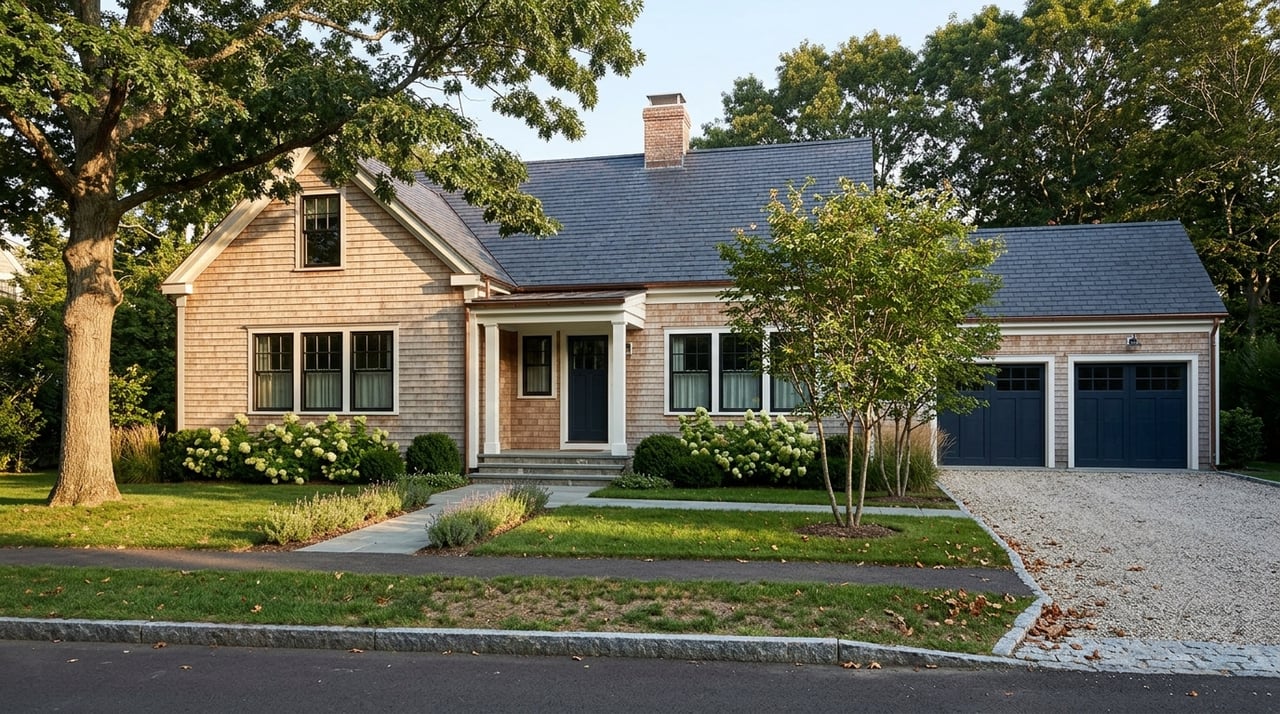
If you are moving up in Fairfield, the biggest decision is often not whether to stay in town. It is where in town your next chapter fits best. Fairfield works less like one broad market and more like a collection of distinct micro-markets, each with its own trade-offs around space, commute, setting, and renovation flexibility. Let’s dive in.
Why Fairfield Feels So Different Block to Block
Fairfield’s assessor map breaks the town into separate residential neighborhood codes, including Southport, Sasco Hill, Fairfield Beach, South Pine Creek, Pine Creek, Reef Road, Greenfield Hill, Low Greenfield, Up Greenfield, Hulls Farm, Ridge, University, Stratfield, Stratfield Up, Tunxis Hill, Kings Hwy, and Turney. For you as a move-up buyer, that matters because your search is rarely just about price or square footage.
It is also about choosing the right version of Fairfield for your lifestyle. You may want a larger lot, easier rail access, proximity to the shoreline, or a setting that supports long-term renovation plans with fewer constraints.
Start With Your Move-Up Priorities
Before you compare addresses, define what “moving up” actually means to you. In Fairfield, a bigger home is only one part of the equation.
You may be trading up for more privacy, better access to the train, closer proximity to the beach, or a property with room to expand over time. In many cases, the right micro-market is the one that best matches how you want to live day to day.
Here are a few helpful questions to ask yourself:
- Do you want more land or less upkeep?
- Is rail access important for your routine?
- Would you rather be near the shoreline or farther inland?
- Are you comfortable with a historic district review process if you renovate?
- Do you want a more walkable setting or a more car-oriented one?
Southport Offers Village Character and Rail Access
If you want a move-up home with architectural character, a village feel, and practical commuter access, Southport is one of Fairfield’s clearest options. The Southport Historic District includes more than 150 buildings, with architecture spanning the eighteenth through twentieth centuries.
Town materials note generous-sized lots, large gardens, and lawns in the district. That can make Southport appealing if you want an older home with more setting than you might expect in a compact in-town environment.
On the practical side, the town-owned Southport Crossing property highlights easy access to I-95 and walking distance to the Southport train station. The current New Haven Line schedule also lists Southport on the route to Grand Central, which supports its reputation as a village-plus-rail choice.
What to Know About Historic Review in Southport
If you are planning exterior changes, new construction, or demolition visible from a public way, the Historic District Commission may review that work in Southport. For some buyers, that is part of the appeal because it helps preserve the area’s visual character.
For others, it adds an important planning step. If your move-up strategy includes major updates after closing, it is smart to understand that review layer early.
Shoreline Pockets Bring Beach Proximity and Extra Diligence
Fairfield’s coastal neighborhood codes include Sasco Hill, Fairfield Beach, South Pine Creek, Pine Creek, and Reef Road. These areas often attract move-up buyers who want shoreline access, a coastal setting, or proximity to beach amenities.
Town documents identify Jennings Beach Park at 880 South Benson Road, with a beach, pavilion, playground, restrooms, picnic area, parking, and marina adjacency. Penfield Pavilion is located at 323 Fairfield Beach Road, reinforcing how much of the shoreline lifestyle is tied to public coastal infrastructure and recreation.
Coastal Living Comes With Practical Questions
A shoreline move-up purchase often involves more than views and location. The town continues to manage projects such as South Pine Creek outfall replacement, tide gates, Penfield remediation, and Fairfield Beach Road pump-station work.
The town’s 2024 financial report also notes flood-damage insurance coverage. For you as a buyer, that underscores why flood exposure, drainage patterns, and resilience planning should be a normal part of due diligence in coastal areas.
Who These Areas Often Suit Best
These micro-markets can be a strong fit if beach access and a coastal setting rank high on your list. They may be less ideal if your top priority is minimizing infrastructure, drainage, or flood-related considerations.
In other words, the shoreline can offer a meaningful lifestyle upgrade, but it usually comes with a more detailed property review process.
Greenfield Hill Prioritizes Space and Privacy
If your version of moving up means more land, more privacy, and a quieter setting, Greenfield Hill is often the first area buyers consider. The town describes the Greenfield Hill Historic District as a rural community centered on the village green and Greenfield Hill Congregational Church.
The handbook also notes fields once devoted to agriculture, which helps explain the area’s more open and spacious feel. Compared with the shoreline or downtown-adjacent parts of Fairfield, Greenfield Hill tends to reflect a less dense pattern of living.
Nearby Inland Areas Expand Your Options
Low Greenfield, Up Greenfield, Hulls Farm, and Ridge are also useful search labels if you want a larger inland lot without necessarily focusing only on the historic-district core. These areas show that Fairfield offers a gradient, not just a single inland archetype.
As you move away from shoreline and village centers, you often gain more land and seclusion. At the same time, you may give up some walkability and some convenience tied to rail-oriented living.
Daily Life Is More Car-Oriented
Town materials describe Greenfield Hill Commons as a retail location with ease to both the Merritt Parkway and I-95. That detail reflects a broader point about this part of Fairfield.
If you choose Greenfield Hill or nearby inland pockets, your routine may revolve more around driving than walking to village or station amenities. For many move-up buyers, that is an easy trade if privacy and lot size come first.
Downtown and the Station Corridor Offer Balance
Some move-up buyers want a larger or better-positioned home without taking on a large lot or a full coastal diligence profile. For that buyer, downtown Fairfield and the station corridor often represent the middle ground.
The Old Post Road Historic District is described by the town as Fairfield’s most urban historic district, with large nineteenth-century buildings on large lots facing Old Post Road and a streetscape centered on the town green. The town’s downtown parking policy also shows how Fairfield Center is organized around customer parking, employee parking lots, and short-stay convenience parking, which supports its role as the town’s most walkable micro-market.
Rail Access Is a Key Advantage
The current New Haven Line schedule shows Fairfield, Southport, and Fairfield-Black Rock as Fairfield’s Connecticut stations. In 2024, CTDOT announced that Fairfield Metro would be renamed Fairfield-Black Rock to reduce confusion and improve wayfinding.
Town property pages around Kings Highway East and the Post Road corridor also describe spaces near the commuter rail station, close to I-95, or in transit-oriented settings. For buyers balancing commute ease with manageable property upkeep, this corridor often makes practical sense.
The Three Trade-Offs That Matter Most
When you compare Fairfield micro-markets, three trade-offs tend to shape the decision more than anything else. If you are clear on these early, your search usually becomes more focused.
Lot Size Versus Upkeep
More land often means more privacy and flexibility. It also usually means more maintenance, more landscaping, and a different day-to-day rhythm.
If you want simplicity, a smaller lot in a village or station-oriented area may feel like the real upgrade. If you want room to spread out, inland Fairfield may be worth the added upkeep.
Beach Proximity Versus Resilience Diligence
Coastal Fairfield can deliver a strong lifestyle draw. At the same time, town shoreline projects and flood-related insurance coverage show why drainage, flood exposure, and infrastructure conditions should be part of the buying conversation.
For the right buyer, that trade is well worth it. The key is making the choice with open eyes.
Historic Character Versus Renovation Flexibility
Southport, Greenfield Hill, and Old Post Road are Fairfield’s historic districts identified by the town’s handbook. If you love older architecture and established streetscapes, those areas may be especially compelling.
If you are planning visible exterior changes, though, you should factor in the potential review process. Character can be a major value point, but it may also shape how and when you improve the property.
How to Choose the Right Fairfield Micro-Market
A smart move-up search starts with lifestyle filters before house filters. That means identifying the setting that supports your next stage of life, then evaluating specific homes within that narrower zone.
A simple framework can help:
- Choose Southport if you want village character, older homes, and rail convenience.
- Focus on Sasco Hill, Fairfield Beach, South Pine Creek, Pine Creek, or Reef Road if coastal access is central to your goals.
- Prioritize Greenfield Hill, Low Greenfield, Up Greenfield, Hulls Farm, or Ridge if space and privacy matter most.
- Look at downtown, Kings Highway, and the station corridor if you want walkability, commute convenience, and a more manageable property profile.
The right answer depends on how you want to live, not just what you want to buy. In a town as layered as Fairfield, that distinction matters.
If you are weighing where to move next in Fairfield, working with someone who understands these neighborhood-level differences can save time and sharpen your search. To discuss Fairfield’s micro-markets with a local, relationship-first perspective, connect with Libby McKinney Tritschler.
FAQs
What does a micro-market mean in Fairfield real estate?
- A micro-market refers to one of Fairfield’s distinct neighborhood areas, such as Southport, Greenfield Hill, Fairfield Beach, or Kings Hwy, each with its own mix of setting, lot patterns, access, and property considerations.
Which Fairfield areas are best for beach proximity?
- Fairfield’s coastal neighborhood codes include Sasco Hill, Fairfield Beach, South Pine Creek, Pine Creek, and Reef Road, all of which are tied more closely to shoreline living.
Which Fairfield area is best for a larger lot?
- Greenfield Hill and nearby inland areas like Low Greenfield, Up Greenfield, Hulls Farm, and Ridge are often the places buyers consider when they want more land and privacy.
Which Fairfield neighborhoods offer good train access?
- Southport stands out for village-plus-rail access, and the broader station corridor near Fairfield and Fairfield-Black Rock can also appeal to buyers focused on commuting convenience.
Do Fairfield historic districts affect renovation plans?
- Yes. In Southport, Greenfield Hill, and Old Post Road, exterior changes, demolition, and new construction visible from a public way can be subject to Historic District Commission review.
What should coastal buyers in Fairfield review carefully?
- Coastal buyers should pay close attention to flood exposure, drainage, and resilience-related factors, especially since town documents show ongoing shoreline infrastructure work in several areas.
