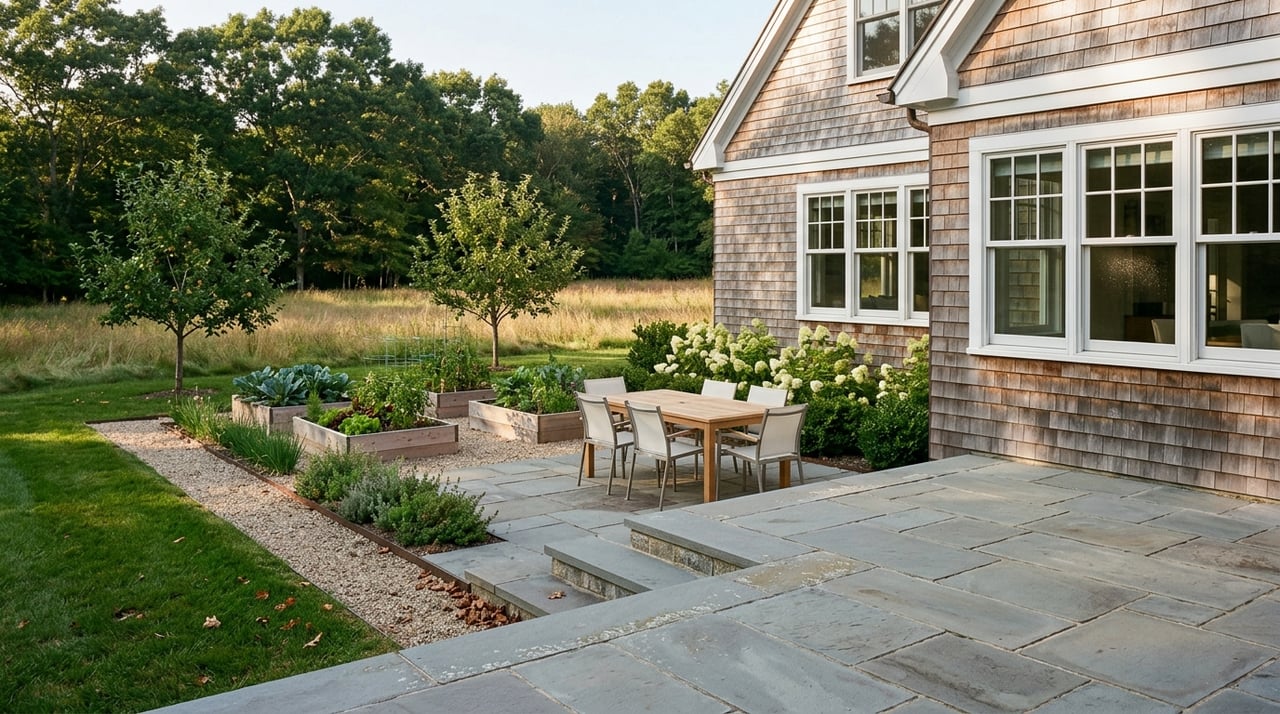
Looking for a place where local food is part of your regular routine, not just a weekend plan? In Easton, that lifestyle is woven into the landscape, with working farms, open space, and seasonal traditions shaping everyday life. If you are exploring Easton as a place to call home, this guide will show you how farm-to-table living works here and why it feels so authentic. Let’s dive in.
Easton’s farm-to-table identity
Easton stands out in Fairfield County for its deeply rural character. The town says it is home to more than 20 working farms, and more than one-third of its land is forever preserved. That combination gives Easton a distinct sense of place, where agriculture and open space are not side notes but part of daily life.
The town’s Agricultural Commission takes that idea even further by describing Easton as a living farmers market. That language matters because it reflects how residents experience the town. Farm-to-table living in Easton is not limited to one destination or one season. It is spread across the community and built into how people shop, gather, and mark the year.
Everyday farm shopping in Easton
One of the most appealing parts of Easton life is how easy it is to shop close to the source. Instead of treating local food as a special outing, you can make it part of your weekly rhythm. Across town, farm stands and markets offer staples that fit naturally into everyday meals and home entertaining.
Farm stands for daily staples
Sherwood Farm offers a strong example of Easton’s day-to-day food culture. The farm says it grows more than 90 varieties of vegetables and sells eggs year-round, along with honey, handmade bread, fresh mozzarella, and other specialty items. That kind of variety makes local shopping feel practical, not limited.
Shaggy Coos Farm adds another layer to that convenience. Its honor-system store is open every day from 7 a.m. to 7 p.m. and stocks fresh milk, pork, beef, and eggs. For many buyers, that simple detail helps paint a clear picture of life in Easton. You are not driving into a commercial center for every errand. Sometimes, your grocery stop is a farm.
Markets with variety and character
Sport Hill Farm describes itself as a curated market centered on locally grown and crafted products. The town’s agricultural guide lists vegetables, herbs, bread, milk, preserves, meat, eggs, fruit, honey, and microgreens among its offerings. The farm also hosts educational programs and a children’s summer farm camp, showing how these places often serve as community touchpoints as well as shopping stops.
Easton’s official farm guide also includes consumer-facing destinations such as Aspetuck Valley Orchard and Lakeview Orchards, along with multiple Christmas tree farms. That range gives the town’s food culture real depth. It is not anchored by one flagship property. It is distributed across Easton in a way that supports a true local-food lifestyle.
Silverman’s Farm and seasonal traditions
If one place captures Easton’s seasonal energy, it is Silverman’s Farm. Its market and orchard include pick-your-own fruit, pumpkins, cider, fresh-baked pies, holiday trees, and wreaths. It also offers an animal farm and seasonal attractions that make it both a local favorite and a regional destination.
Silverman’s follows a clear farm calendar. Apple picking opens in mid-August and runs into October, with orchard tractor rides on select weekends after picking closes. As the seasons shift, the farm moves into pumpkin season, Thanksgiving pie orders, fresh-pressed cider, and then holiday décor and fresh-cut trees.
For residents, that rhythm becomes part of the year’s natural flow. Instead of searching for seasonal activities, you often find them right in town. That is one reason Easton’s farm-to-table lifestyle feels so rooted. Food, tradition, and local outings all overlap.
A town shaped by the seasons
Easton’s community identity is closely tied to the calendar. Harvest season brings orchard visits, farm markets, and fall décor. Winter brings another tradition, with the town recognizing Easton as the Christmas Tree Capital of Connecticut and highlighting farms offering pre-cut and cut-your-own trees.
That seasonal pattern gives Easton a distinctive feel. In many towns, social life centers on commercial districts or event venues. In Easton, local traditions often grow out of farms, orchards, and agricultural spaces. That creates a lifestyle that feels grounded, familiar, and connected to place.
Outdoor living supports the lifestyle
Farm-to-table living in Easton is about more than what is on your table. It is also about the setting around you. Open land, preserved fields, and local trails make the town feel active and scenic in a way that complements its agricultural character.
Aspetuck Land Trust maintains 45 trailed preserves open year-round, including the 1,009-acre Trout Brook Valley Preserve in Easton and Weston. The trust also highlights spaces used by dog owners, bird watchers, fishermen, and mountain bikers. That kind of access adds another layer to daily life, especially if you value time outdoors.
Preserves that reflect Easton’s landscape
Some of Easton’s preserves show how closely the town’s natural and agricultural settings overlap. Pond View Preserve includes a pond loop and a short forest trail. Randall’s Farm Preserve features open meadows, stone walls, a pond, and groomed trails through historic farm fields.
These details matter because they shape the feel of the town. Easton’s outdoor spaces are not separate from its farm identity. They reinforce it. A walk through preserved land here often looks and feels like an extension of the same landscape that supports local food and seasonal traditions.
Rural feel with regional access
One of Easton’s strongest lifestyle advantages is balance. The town feels rural at home, yet it connects to the broader region through familiar road routes. Silverman’s Farm directions reference the Merritt Parkway, Route 59, Route 58, the I-95 connector, and I-84 approaches, pointing to a road network that supports day-to-day movement beyond town lines.
For buyers considering Easton, that balance is important. You can enjoy a setting defined by preserved land, farm stands, and quiet roads while still staying connected to nearby towns and regional destinations. That mix is part of what makes Easton appealing to those looking for a more grounded lifestyle without feeling removed.
What farm-to-table living looks like at home
In practical terms, Easton makes it easy to build home life around local sourcing. You might stop for eggs, milk, produce, bread, or honey on your way home. You might pick up pies, cider, or seasonal décor when hosting friends or planning a holiday gathering.
That convenience helps turn local food into a habit rather than an occasional luxury. Home entertaining can start with a drive to a farm stand. Seasonal decorating can come straight from a local grower. Even simple errands can feel more personal when they happen in places that reflect the character of the town.
Why Easton appeals to homebuyers
For many buyers, Easton offers a lifestyle that feels increasingly rare in Fairfield County. The town’s official identity, broad network of working farms, preserved land, and outdoor access all point to a place where daily routines can feel more connected to the land. That does not mean Easton is frozen in time. It means the town has preserved a way of living that many people actively seek.
If you are drawn to homes where the setting matters as much as the square footage, Easton is worth a close look. Its appeal comes from the steady pattern of everyday experiences here: shopping at farm stands, walking local preserves, enjoying orchard traditions, and living with the seasons in a very real way.
Whether you are relocating within Fairfield County or exploring Easton for the first time, understanding the lifestyle is a key part of understanding the market. If you are considering a move and want guidance grounded in local perspective, connect with Libby McKinney Tritschler for a thoughtful, tailored conversation.
FAQs
What does farm-to-table living in Easton, CT actually mean?
- In Easton, farm-to-table living means regular access to working farms, farm stands, orchards, and seasonal markets where you can buy produce, eggs, milk, meat, honey, bread, cider, pies, and holiday items close to home.
How many working farms are in Easton, CT?
- Easton’s official town profile says the town is home to more than 20 working farms.
Which Easton farms are known for everyday shopping?
- Sherwood Farm, Shaggy Coos Farm, Sport Hill Farm, Silverman’s Farm, Aspetuck Valley Orchard, and Lakeview Orchards are among the consumer-facing farm destinations highlighted in the research provided.
What seasonal farm activities can you enjoy in Easton, CT?
- Easton’s seasonal farm activities include apple picking, orchard tractor rides, pumpkin season, fresh cider, Thanksgiving pie orders, and holiday tree and wreath shopping.
Is Easton, CT only about farms, or is there outdoor recreation too?
- Easton also offers strong outdoor access through preserved land and trails, including Trout Brook Valley Preserve, Pond View Preserve, and Randall’s Farm Preserve.
Why do homebuyers consider Easton for this lifestyle?
- Buyers often look at Easton for its blend of working farms, preserved open space, seasonal traditions, and a rural feel that still connects to the wider Fairfield County road network.
