If you are torn between the beach and the backcountry, you are not alone. Fairfield Beach and Greenfield Hill both offer exceptional lifestyles, but they feel very different day to day. In this guide, you will see how each neighborhood stacks up on lifestyle, homes and lots, commute, schools, and risk so you can choose with confidence. Let’s dive in.
Fairfield Beach at a glance
Daily rhythm by the Sound
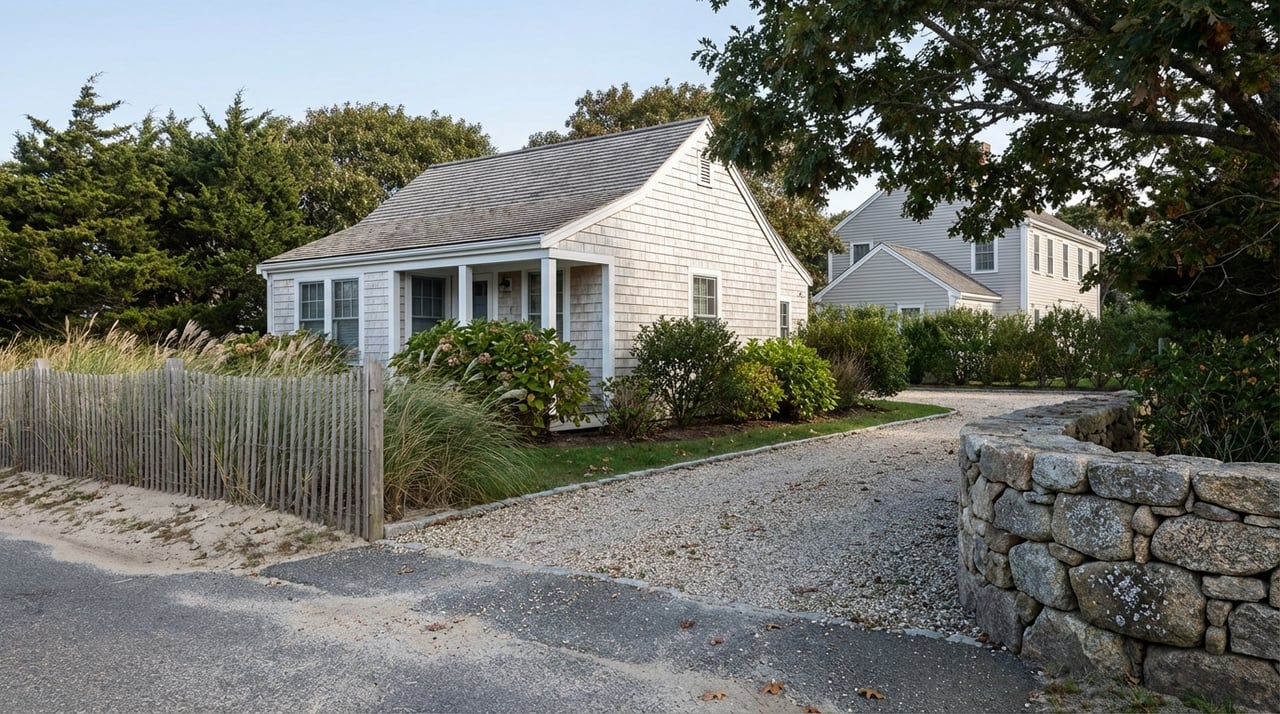
Fairfield Beach centers on the shoreline and everything that comes with it. You will notice a lively scene in warm months, with morning beach walks, evening strollers, and neighbors out with dogs. The area blends older beach cottages with newer coastal-style rebuilds along compact lots. Jennings and Penfield are the neighborhood’s signature town beaches, and Penfield Pavilion hosts seasonal community programs and private events that keep the shoreline active year-round. You can explore current programming at the town’s Penfield Pavilion site.
Who it suits
Choose Fairfield Beach if you want daily or frequent beach access and a social, walkable coastal lifestyle. Quick errands to downtown and shoreline restaurants are part of the routine. You will trade larger yards for proximity to the water, beach amenities, and a vibrant summer calendar.
Greenfield Hill at a glance
Daily rhythm near the Green
Greenfield Hill delivers a classic New England village feel anchored by the historic green and tree-lined lanes. Homes sit on substantially larger parcels, and the pace is quieter with more time spent in private outdoor spaces. The area’s history and rural character are protected near the Greenfield Hill Historic District, and long-standing community traditions, such as seasonal fairs and markets, shape the calendar.
Who it suits
Choose Greenfield Hill if you value land, privacy, and a serene setting. You will trade a short stroll to the beach for estate-scale lots, gardens and pools, and village events. Daily life leans toward private gatherings and time at home, with a short drive for shops, trains, and services.
Homes, lots, and price context
Fairfield Beach: coastal mix on smaller lots
The waterfront area blends historic beach cottages, mid-century homes, and newer coastal-style rebuilds on compact parcels. Many streets provide easy access to Jennings and Penfield beaches, and some homes have beach or water rights. For a high-level overview of the neighborhood’s background and housing character, see the Fairfield Beach entry.
Recent neighborhood snapshots have shown median sale prices around the mid–seven figures, with quicker days on market for well-located properties. Market dynamics can shift month to month based on inventory and seasonality, so it is wise to review current comparables as you shop.
Greenfield Hill: historic and estate-scale
Greenfield Hill is best known for classic Colonial architecture, historic homes near the green, and larger estate parcels, often one to two acres or more. Price points typically sit in the luxury segment with fewer listings and longer marketing times than the beach area. The historic district helps preserve architectural integrity and neighborhood character, which can also mean review processes for exterior changes near the Greenfield Hill Historic District.
Market backdrop
Across Connecticut, tight inventory has put upward pressure on prices and timelines in 2025–2026. Recent coverage highlighted low supply as a key driver of competition, especially for desirable homes in Fairfield County. You can read a broad snapshot of these trends in this CT Insider overview of Connecticut’s market conditions.
Commute and getting around
Train access to NYC
Fairfield is served by multiple Metro-North New Haven Line stations. Typical travel times to Grand Central range from about 1 hour 15 minutes to 1 hour 35 minutes depending on the train and time of day. If you want to compare options, check a current Metro-North timetable for Fairfield to Grand Central.
Where you live affects door-to-platform time. Fairfield Beach locations closer to downtown or Southport can make station access faster. Greenfield Hill is inland, so you will usually drive to a station or park-and-ride before boarding.
Driving patterns and highways
From Fairfield Beach, you have quick access to downtown and the I‑95 corridor for coastal routes. Greenfield Hill connects more naturally to the Merritt Parkway and quieter north-side roads. That difference shapes rush-hour patterns and how you plan local errands.
Schools and family programming
School assignments
Both neighborhoods are served by Fairfield Public Schools. Exact elementary, middle, and high school assignments depend on your address, and boundaries can change. For any property you are considering, confirm the current assignment with the district and review neutral data points on school profile pages, such as the NCES school details for a Fairfield elementary. Keep in mind that performance data alone may not reflect the best fit for your student’s needs.
Family amenities and programs
At the beach, families enjoy lifeguarded swimming in season, beach playgrounds, and features like sail racks and a skate park near the shoreline. Town-run events and private functions at Penfield Pavilion add community programming. In Greenfield Hill, the calendar leans toward village fairs, a local market, and neighborhood traditions on and around the green, along with time spent in private outdoor spaces.
Risks, infrastructure, and insurance
Coastal risk in context
If you are considering Fairfield Beach or any low-lying inland parcel near creeks, it is important to review flood exposure. Connecticut planning guidance recommends using a working estimate of roughly 0.5 meters (about 20 inches) of sea level rise by 2050 for Long Island Sound shoreline planning. That guidance, summarized by UConn’s CIRCA program, implies more frequent high-tide flooding and greater storm surge impacts over time.
Local resiliency and town projects
Fairfield has been funding coastal and flood-related projects, such as tide gate replacements, as part of its capital planning. These investments signal a focus on resiliency, and they can also affect neighborhood infrastructure and budgets. You can review recent coverage of the town’s work in this CT Insider report on Fairfield’s capital improvement plan.
Insurance and due diligence
Before you make an offer on a coastal-edge property, ask for an Elevation Certificate and speak with an insurance professional to understand potential premiums and coverage options. Flood zone status can change when FEMA updates maps or when local projects alter base flood elevations. For official mapping references, start with the FEMA DFIRM resources hosted by UConn’s CT ECO portal: Fairfield County DFIRM metadata.
Decision checklist: find your fit
Use this quick framework to align your priorities with each neighborhood’s strengths.
Lifestyle
- Fairfield Beach: daily shoreline access, active public spaces, and walkable beach routines.
- Greenfield Hill: privacy, larger yards, and a village-green atmosphere.
Homes and land
- Fairfield Beach: compact lots, mix of cottages and coastal rebuilds; some homes with water rights.
- Greenfield Hill: estate-scale parcels, historic homes near the green, and more room for gardens and pools.
Commute and access
- Fairfield Beach: closer to downtown and I‑95; some locations are nearer to train stations.
- Greenfield Hill: inland setting with convenient access to the Merritt Parkway; typically a short drive to trains.
Family life
- Fairfield Beach: lifeguarded beaches, playgrounds, seasonal pavilion programming.
- Greenfield Hill: village traditions, markets, and community events around the historic green.
Risk and maintenance
- Fairfield Beach: evaluate coastal exposure, flood mapping, and potential insurance needs.
- Greenfield Hill: fewer coastal concerns, but longer drives and larger-property upkeep.
Price and availability
- Fairfield Beach: competitive market for updated and well-located homes; faster turnover.
- Greenfield Hill: luxury segment with fewer listings and longer marketing times.
The bottom line
The choice between Fairfield Beach and Greenfield Hill comes down to how you want to live. If you picture sunrise walks on the sand and a lively summer scene, Fairfield Beach puts you close to the water and town. If you imagine quiet mornings on a terrace overlooking your own acreage, Greenfield Hill delivers space, privacy, and historic charm. When you are ready to compare specific properties, price bands, and due diligence items like train times at your target hour or flood considerations, connect with a local expert who knows both sides of town well.
If you would like a confidential conversation about your goals and the right next step, reach out to Libby McKinney Tritschler for a private consultation.
FAQs
What is the lifestyle difference between Fairfield Beach and Greenfield Hill?
- Fairfield Beach offers an active coastal scene with compact lots near the shoreline, while Greenfield Hill emphasizes larger parcels, privacy, and a quieter, historic village feel around the green.
How long is the commute to NYC from Fairfield?
- Typical Metro-North rides from Fairfield area stations to Grand Central run about 1 hour 15 minutes to 1 hour 35 minutes depending on the train; check a current timetable for options.
Are there flood risks near Fairfield Beach?
- Yes, coastal neighborhoods face increased high-tide and storm surge exposure over time; review mapping through FEMA DFIRM resources and consider the sea level rise guidance summarized by CIRCA.
How are schools assigned in Fairfield neighborhoods?
- School assignments depend on your exact address and can change; confirm with Fairfield Public Schools and review neutral data on school profiles like the NCES school detail page.
How competitive is the Fairfield market right now?
- Recent statewide reporting points to tight inventory and upward pressure on prices, which can create faster timelines and more competition; see this CT Insider overview for context.
