Power flickers in Easton have a way of concentrating your mind. If you rely on a well pump, work from home, or simply value continuity, a whole-house generator can feel like a must-have. You want to know if it truly adds resale value, what it costs, and how to handle it during a sale. Here is a clear, Easton-focused guide to help you decide and prepare. Let’s dive in.
What a whole-house generator is
A standby or whole-house generator is a permanently installed system with an automatic transfer switch that powers your home when utility service fails. Buyers generally view these systems as higher value than portable units because they start automatically and can run most or all household loads. The perceived benefit goes beyond convenience to include resilience and safety.
Easton context and buyer expectations
Easton is a semi-rural town where some buyers prioritize self-sufficiency and reliable backup power. Connecticut outages often stem from coastal storms, nor’easters, ice, or high winds, and semi-rural restoration can take longer than urban areas. Expectations vary by neighborhood norms and by buyer profile, including commuters, remote workers, and second-home owners. Reviewing your utility’s recent outage history for your immediate area can clarify local risk and buyer sensitivity.
Cost and fuel options in Easton
Installed, turnkey costs for standby systems commonly range from about $5,000 to $20,000 or more, depending on size, fuel, site work, and permits. Ongoing costs include annual service, fuel, and periodic exercise time. Natural gas, propane, and diesel are typical fuels. In many semi-rural parts of Easton, natural gas lines may not be available, so propane or diesel is common. Site aesthetics, noise, tank placement, and electrical panel upgrades can all influence cost and buyer perception.
Resale value and appraisal basics
There is no universal dollar-for-dollar premium for generators. Appraisers typically treat a permitted, functional standby system as part of the property, using comparable sales and, when appropriate, the cost to replace minus depreciation. The strongest value signal is local comps with and without generators. Sellers often do not recoup full installed cost, yet value can be higher when outages are common, neighborhood norms favor generators, and documentation is complete.
Factors that can boost value
- Neighborhood norms that make generators an expected amenity.
- Recent storm impacts and visible outage history.
- Buyer profiles that prize continuity, such as remote workers or homes with well and septic.
- Professional installation, permits, and a clear maintenance record.
Factors that can limit value
- Limited buyer demand for the property type or competing priorities.
- Ongoing maintenance and fuel-storage concerns.
- Noise or visibility issues that hurt curb appeal.
Should you install before listing?
Consider installing pre-list if:
- Nearby comps show a clear pattern of generator ownership and buyer preference.
- Your likely buyer values resilience and uninterrupted power.
- You can complete installation and assemble full documentation well before launch.
Consider offering a buyer credit instead if:
- Local comps do not support a premium.
- Installed cost would likely be only partially recovered.
- You want buyers to choose the fuel type, size, and contractor that suit their needs.
Showing-day best practices for sellers
- Documentation: Prepare a binder or digital folder with permits, final inspections, receipts, model and serial numbers, maintenance logs, and manuals.
- Demonstration: Do not run a full demonstration during showings. Instead, provide a concise description of how the system functions and when it was last exercised and serviced.
- Disclosure: Note tank location and size, any leases or rental agreements, and relevant easements or restrictions.
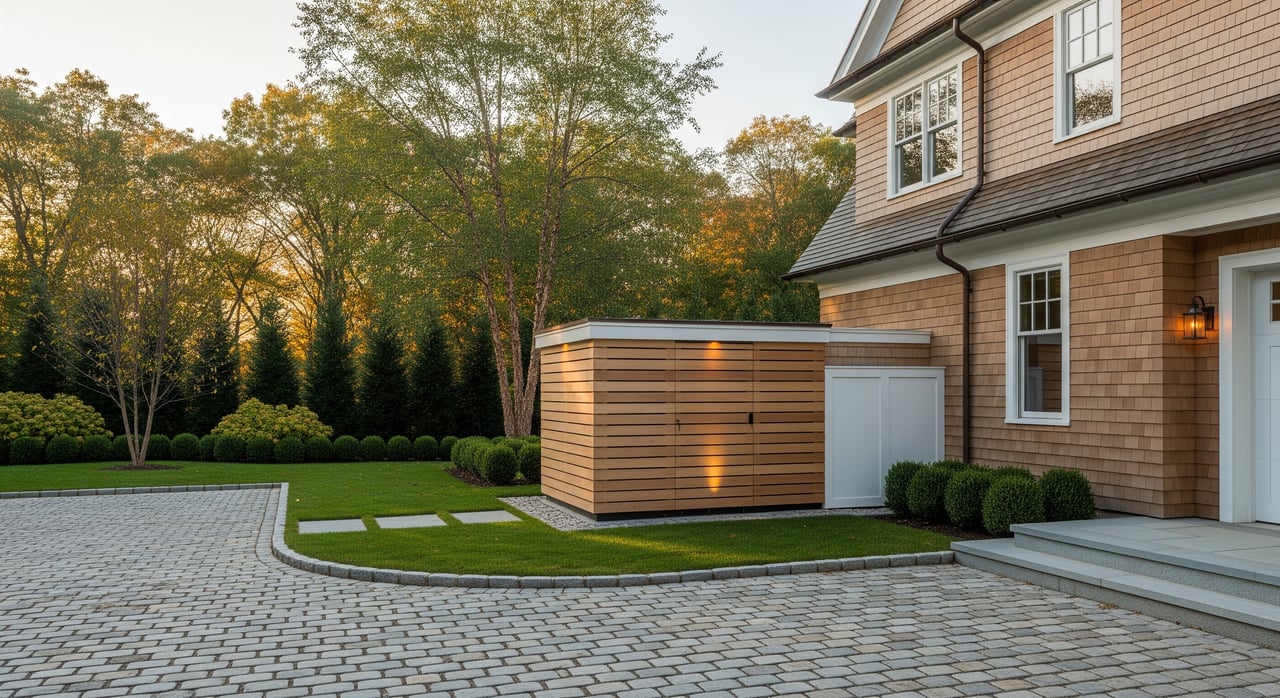
- Aesthetics: If visibility or noise could concern buyers, add compliant screening or landscaping that respects clearances and codes.
- Access: Keep the area around the unit clear for inspections, and ensure the transfer switch and panel labeling are up to date.
Buyer checklist for homes with generators
If the home has a generator:
- Verify permits, final inspections, model and age, service records, and any maintenance contract.
- Confirm fuel type, tank ownership or lease, delivery logistics, and typical refill frequency and costs.
- Ask for a functional review by a qualified service provider as part of inspections.
- Check what warranties are transferable.
- Factor routine maintenance and expected fuel costs into your operating budget.
If the home does not have a generator but you want one:
- Get local cost estimates early and verify natural gas availability first.
- If gas is not available, plan for propane or diesel, including tank costs or lease agreements.
- Build in time for permits, site work, and fuel arrangements, which can take weeks to months.
Permits, insurance, and HOA considerations
Permanent installations typically require building and electrical permits, as well as fuel-tank compliance with setbacks. Confirm town permitting and final inspections if a system is already in place. Some insurers may offer discounts for standby systems, while fuel storage can influence underwriting, so review policy details with your carrier. If applicable, check HOA or covenant rules on placement, screening, and fuel storage.
Smart negotiation ideas
- If a generator is present, request complete documentation and consider a generator-specific inspection.
- If documentation is incomplete, negotiate a seller credit or an escrow holdback tied to permit closure or service confirmation.
- If there is no generator, a targeted seller credit can help you install the system that fits your needs post-close.
Bottom line for Easton sellers and buyers
In Easton, a standby generator can meaningfully increase appeal, especially where outages are top of mind and neighborhood norms support it. Appraisers rarely add full installed cost without comps, so the best path is to present a permitted, professionally installed system with complete records. If you are weighing an installation right before listing, compare nearby sales and consider a credit if buyer preferences or fuel access vary.
When you are ready to talk strategy, pricing, or timing, connect with someone who markets premium Fairfield County homes and understands what today’s buyers prioritize. Reach out to Libby McKinney Tritschler to discuss your goals and request a private home valuation.
FAQs
Do whole-house generators increase value in Easton?
- They can increase appeal and marketability, but resale premiums vary by neighborhood norms, outage history, buyer profile, and documentation of a professional installation.
How much do standby generators cost to install?
- Common turnkey ranges are about $5,000 to $20,000 or more, depending on size, fuel type, site work, permits, and electrical upgrades.
Which fuel types are most practical in Easton?
- Natural gas, propane, and diesel are common, and in semi-rural areas without gas lines, propane or diesel is typical due to availability.
How do appraisers treat a standby generator?
- Appraisers consider it a permanent system and look to comparable sales for market reaction, using replacement cost and depreciation only as supporting context.
What should sellers prepare before showings?
- Assemble permits, final inspections, service records, manuals, and any fuel-tank lease; ensure clear access and current labeling, and avoid noisy demonstrations during open houses.
What should buyers verify before closing on a home with a generator?
- Confirm permits, maintenance history, fuel arrangements, and warranties, and seek a generator inspection by a qualified service provider as part of contingencies.
